How much do operators actually know about their own capacity, in real time?
Ask most data center operators whether they have a monitoring problem, and they’ll likely say no, pointing to BMS, DCIM, power meters and sensor dashboards – dashboards everywhere. They don’t usually have a problem with data – they actually have a problem with decisions, and AI is making that gap impossible to ignore.
Start with a number that should worry anyone running critical infrastructure: according to the Uptime Institute’s 2025 Annual Outage Analysis, power failures accounted for 54% of impactful data center outages, and more than half of those cost over $100,000, with one in five exceeding $1 million! That’s not a new problem invented by AI and EkkoSense make a point I think is under-appreciated: around 80% of operators believe better management and processes would have prevented their most recent significant outage, and reported human error actually rose 10 percentage points year over year !
Read those two findings together and you reach an uncomfortable conclusion: failures aren’t happening because operators lack data – they are happening because the data arrives too aggregated, too late, or in too many disconnected places for anyone to act on it before the window closes.
AI is turning this into an acute problem rather than a chronic one
The scale of the shift is genuinely stark: EkkoSense notes that estates instrumented for 5–10kW per rack now have to support decision-making at 40/60kW per rack, with individual GPU clusters capable of consuming 60kW and spiking load by 40% in seconds during training cycles. Most monitoring infrastructure installed in the last decade was built around 15-minute averaged snapshots – a system that reports what happened a quarter of an hour ago is not a system that can catch a load spike that peaks and settles inside thirty seconds. That’s not a tooling gap – it’s a philosophical mismatch between how facilities were traditonally instrumented and how AI actually behaves electrically today.
More interesting than the density numbers is the “stranded capacity” problem because it inverts the usual framing of AI’s infrastructure crunch. The industry constantly talks about building more: more power, more cooling, more floor space – EkkoSense make a sharper point: a room running at 60% average power draw can still contain individual racks at 90% plus utilisation sitting next to racks at 25%, and without rack-level visibility – operators are stuck choosing between overcommitting into an outage or leaving usable capacity on the table because nobody can prove it’s actually safe to use. That second failure mode doesn’t show up in any outage report – it just shows up as slower AI deployment and unnecessary capital spending on new builds that might not have been needed yet.
This isn’t just theoretical framing
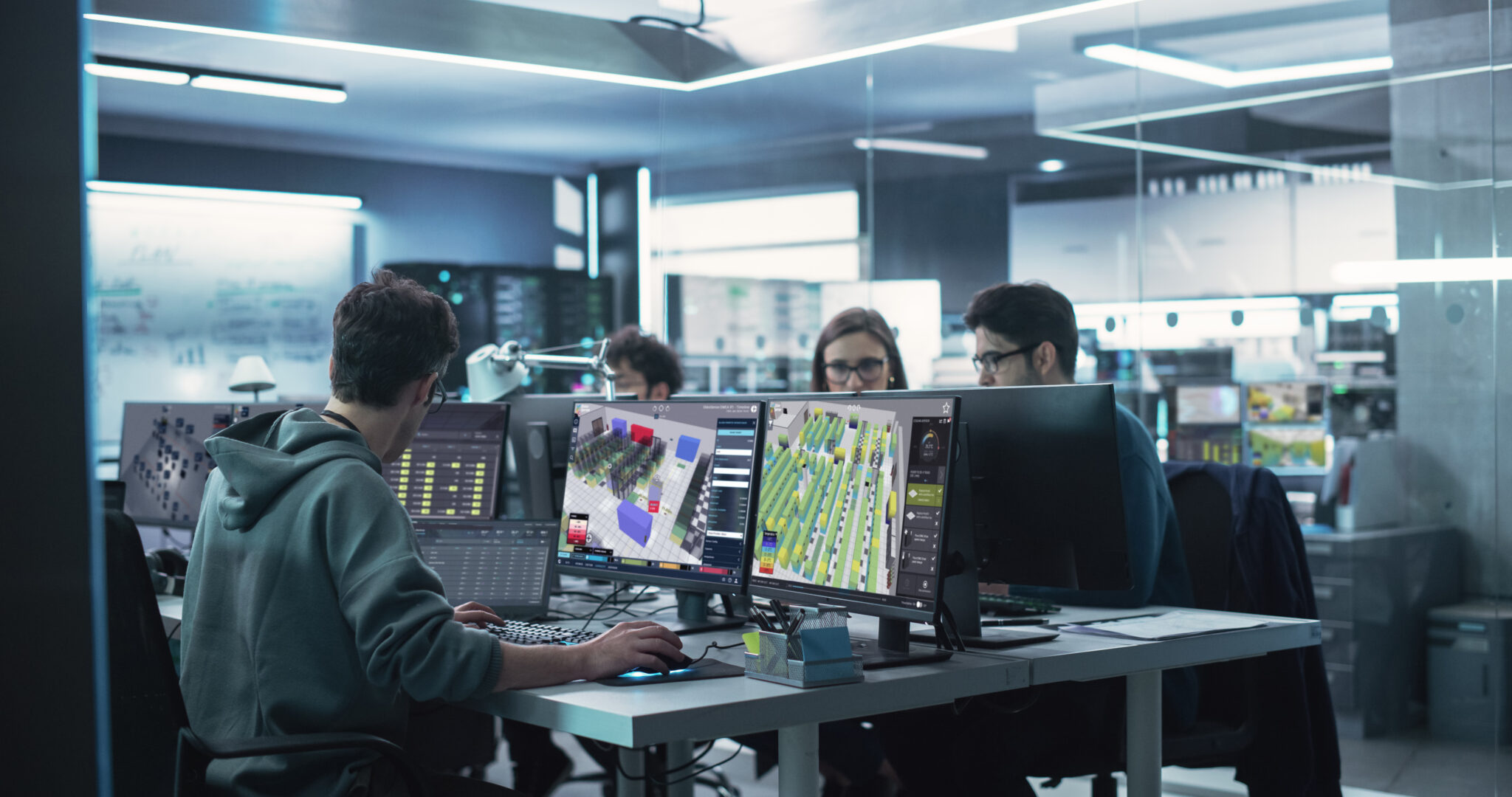
In a joint announcement with EkkoSense in March, Telefónica Germany reported initial evaluations indicating a 15–20% reduction in cooling energy consumption after deploying real-time thermal monitoring and a digital twin across its technical sites. “Digitalization makes the data centre visible, automation makes it intelligent,” said Rüdiger Kunze, Telefónica Germany’s Head of Housing & Site Infrastructure. Whilst this is a vendor reported, early stage result from one operator and not independently audited, it’s worth noting as it is a concrete, named, on-record figure which is more than most capacity visibility claims in this space can offer.
The category of monitoring has to change what it means
For years, monitoring meant reporting: collect the data, display it, and then let a human notice the anomaly.
AI workloads move faster than that model was ever designed to catch – operators who come out ahead over the next few years will not be the ones with the most sensors, they will be the ones who have closed the gap between what their systems report and what their teams can actually act on – and act on inside a window that matters, because at today’s rack densities, that window is increasingly being measured in seconds and not quarter-hours.
The uncomfortable truth beneath this is simple: most data centers don’t have a visibility problem because they lack instruments – they have one because nobody built those instruments to keep up with how fast AI actually moves.