For global data center operators, the geographic map of high-performance computing is a permanent sgtructural alignment.
While established markets in North America and Western Europe grapple with severe power grid constraints and tightening environmental regulations, the Middle East, Turkey, and Africa (META) region is rapidly scaling from a lower base into a core growth theatre for AI infrastructure.
The technical challenge for this developing market however, is unforgiving. Deploying next-generation artificial intelligence fabrics within regions characterised by extreme ambient temperatures and scarce water resources makes traditional air-cooled configurations dead on arrival. To capture this massive pipeline, Edgecore Networks and Submer signed a Memorandum of Understanding to deliver pre-engineered, AI-ready data center reference designs optimised specifically for the unique environment of the META zone.
The convergence of two elements: Open Switching and Fluid Dynamics
The agreement pairs Submer’s full-stack data centre engineering, power design, and fluid immersion cooling systems with Edgecore’s high-performance open networking portfolio. This integration aims to move beyond individual component procurement, delivering unified hardware packages designed to withstand extreme computing densification.
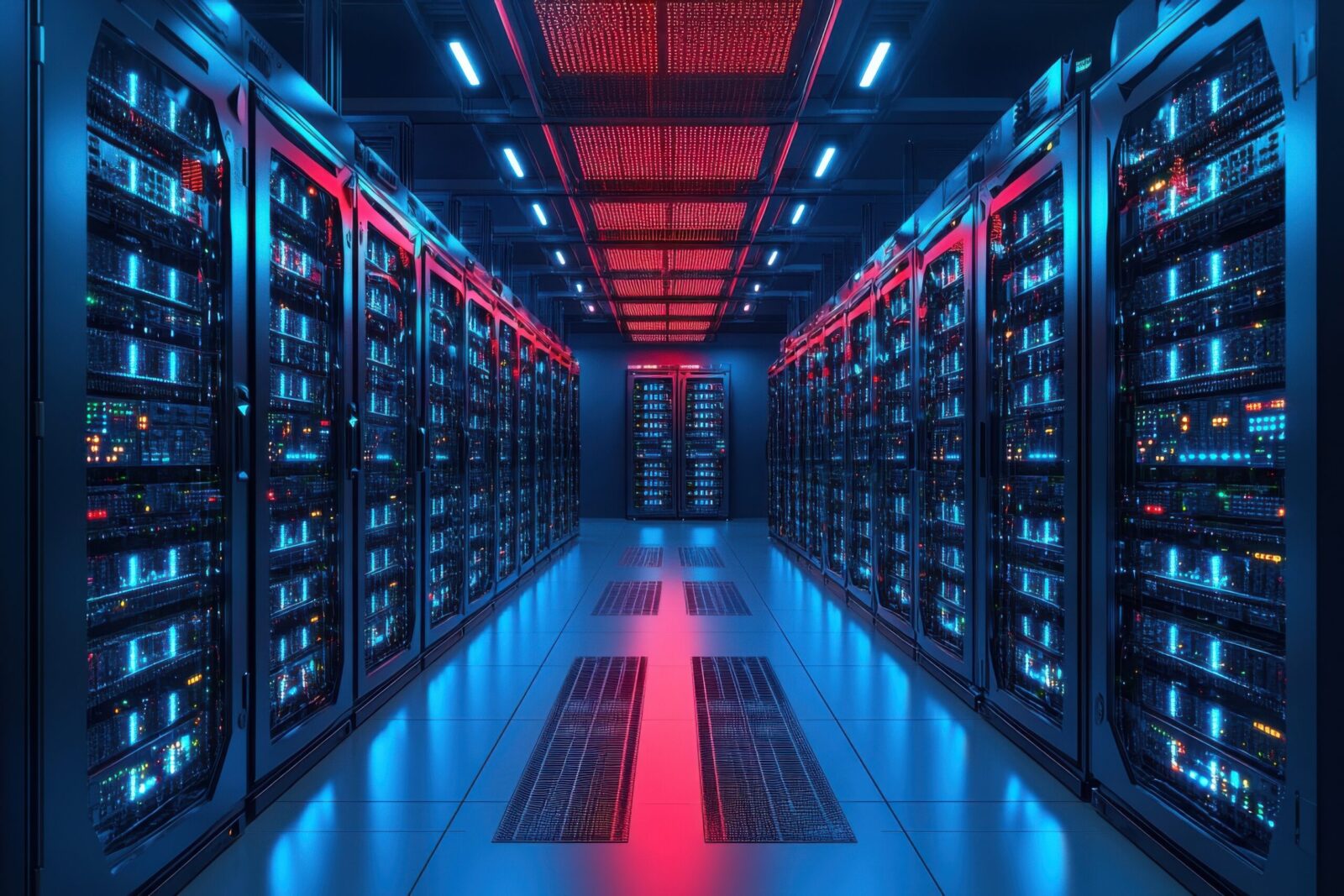
A single rack of modern AI accelerators can easily exceed 100 kilowatts to 200 kilowatts of thermal design power, rejecting an immense amount of heat into the server room floor. Air-cooling systems cannot efficiently displace heat at this concentration, particularly when factoring in the external ambient conditions of areas like the Arabian Gulf. Submer’s direct-to-chip and fluid immersion architectures address this issue by using dielectric liquids to carry heat away from high-density GPU clusters with a fraction of the mechanical energy required by traditional chilled-water loops.
Concurrently, the backend networking requirements for massive AI clusters demand ultra-low latency and enormous bandwidth. Rather than defaulting to proprietary, single-vendor hardware silos that trap operators inside rigid pricing ecosystems, Edgecore is anchoring the alliance with its open, disaggregated Ethernet switching platforms. This open-networking methodology allows data center builders to mix and match hardware components and network operating systems freely, avoiding vendor lock-in and maximizing supply-chain flexibility as they scale up massive compute fabrics.
The fundamental motivation behind this combined architecture was laid out directly by Khalid Aljamed, General Manager for the Middle East, Turkey, and Africa at Submer, during the official project rollout: “Customers are no longer simply looking for individual technologies; they need infrastructure that is engineered to work together from the outset.”
Why this matters to data center operators
For data center operators, sovereign cloud entities, and infrastructure investment groups across the META landscape, this partnership signals three critical operational shifts:
- Eliminating Multi-Vendor Integration Drag: In emerging computing hubs, local engineering talent pipelines are frequently stretched thin. Forcing internal infrastructure teams to independently configure specialized immersion cooling tanks around highly volatile open-source network switches introduces significant deployment delays. Pre-validated reference models compress time-to-market.
- Neutralizing Regional Environmental Risks: In areas facing water scarcity and extreme heat, traditional evaporative cooling towers are a significant regulatory and operational liability. Shifting toward liquid immersion structures lets operators build high-density AI clusters while keeping their power usage effectiveness (PUE) low and water usage metrics near zero.
- Securing Supply Chain Autonomy: Large AI projects require hundreds of high-speed switches. Utilizing disaggregated open networking ensures that operators are not held hostage by the manufacturing backlogs or export restrictions of a single proprietary vendor, creating a more predictable and resilient procurement path.
Memorandums of understanding are, by nature, early-stage commercial indicators rather than cemented market realities. However, the formal alliance of Edgecore and Submer proves that hardware providers see an immense pipeline forming in the META block. As regional governments push heavily for data sovereignty and localised artificial intelligence development, the operators that win the region will be those who ditch piecemeal procurement and design their facilities from day one around integrated networking and advanced thermodynamics